
Breast Cosmetic Treatment Demystified: Honest Answers About Breast Cosmetic Surgery Every Woman Should Know
If you've been researching breast cosmetic treatment quietly, that silence is understandable.
For many women, this is not a decision spoken about openly. It often begins with a subtle awareness:
Clothes don't sit the same.
Bras feel uncomfortable.
Posture feels different.
You avoid certain outfits.
You feel slightly out of proportion.
And then comes hesitation.
"Is it wrong to think about this?"
"Is it safe?"
"What if it looks obvious?"
"What if something goes wrong?"
When it comes to breast cosmetic surgery, hesitation is not weakness — it is maturity.
Because this is not a hairstyle change.
It is not a skincare routine.
It is a medical procedure involving your body.
And medical decisions deserve complete clarity.
This guide is written to replace confusion with informed understanding — calmly, ethically, and responsibly.
Understanding Breast Anatomy Before Considering Surgery
Before discussing enhancement, it's important to understand structure.
The breast is composed of:
- Fat tissue (volume component)
- Connective tissue
- Cooper's ligaments (supportive fibers)
- Skin envelope
- Nipple-areola complex
- Chest wall muscle beneath (pectoralis major)
Breast shape and firmness are influenced by:
- Hormonal changes
- Genetics
- Weight fluctuations
- Pregnancy
- Breastfeeding
- Aging
- Skin elasticity
- Lifestyle factors
Over time, the supportive ligaments stretch. Skin loses elasticity. Fat distribution changes.
Sagging (medically called ptosis) occurs when:
- Nipple drops below the inframammary fold
- Skin envelope becomes loose
- Upper fullness reduces
Volume loss often occurs after:
- Breastfeeding cessation
- Significant weight reduction
- Natural aging
No exercise strengthens breast tissue itself because the breast does not contain muscle — it rests on muscle.
Understanding this prevents unrealistic expectations about non-surgical fixes.
What Is Breast Cosmetic Treatment? (Detailed Explanation)
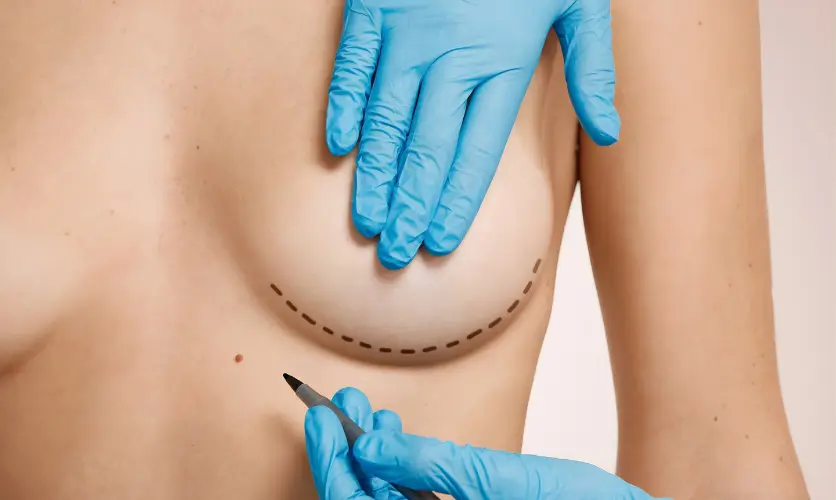
Breast cosmetic treatment refers to surgical procedures designed to improve breast contour, symmetry, position, or volume for aesthetic and functional reasons.
This may include:
Breast Augmentation
Increasing size or restoring volume using implants or fat transfer.
Breast Lift (Mastopexy)
Correcting sagging by removing excess skin and repositioning the nipple.
Breast Reduction
Reducing breast size to relieve physical discomfort and improve proportion.
Breast Revision Surgery
Correcting or adjusting previous surgical results.
Each procedure addresses a different anatomical concern.
Breast cosmetic surgery is not simply about size — it is about proportion relative to:
- Shoulder width
- Chest wall dimensions
- Body frame
- Hip ratio
- Overall silhouette balance
Proper evaluation ensures customization.
Why Women Consider Breast Cosmetic Surgery (Expanded Perspective)
This decision is rarely impulsive.
It usually develops from lived experience.
After Pregnancy and Breastfeeding
Hormonal fluctuations during pregnancy enlarge glandular tissue. Skin stretches to accommodate volume.
After breastfeeding ends:
- Glandular tissue shrinks
- Skin may not retract fully
- Upper fullness disappears
- Nipples may descend
This can create a "deflated" appearance that feels unfamiliar.
For some women, this change feels like losing a part of their pre-pregnancy identity.
After Significant Weight Loss
When body fat decreases, breast volume often decreases as well.
The result may include:
- Empty upper pole
- Loose skin
- Sagging contour
In these cases, lift or augmentation restores proportion.
Natural Asymmetry
Mild asymmetry is common. Significant asymmetry can:
- Affect bra fitting
- Create imbalance in posture
- Cause emotional discomfort
Correction can improve symmetry without exaggeration.
Physical Discomfort (Reduction Cases)
Large breasts may cause:
- Chronic neck strain
- Back pain
- Shoulder grooves
- Skin irritation under folds
- Exercise limitations
Breast reduction often improves daily quality of life.

Timing Considerations: When Should You Consider Surgery?
Timing matters significantly.
Breast cosmetic surgery should ideally be performed when:
- Weight is stable for several months
- Pregnancy is not planned soon
- Breastfeeding has stopped for at least 6 months
- Hormonal levels have stabilized
Operating too soon after breastfeeding may lead to unpredictable results.
Patience improves outcomes.
Who Is an Ideal Candidate?
You may be a suitable candidate if:
- You are in good general health
- You do not have uncontrolled medical conditions
- You are a non-smoker or willing to stop
- You have realistic expectations
- You understand surgical risks
- You are emotionally prepared
You may need postponement if:
- You plan pregnancy soon
- You have unstable weight
- You have untreated mental health concerns
- You have bleeding disorders
- You smoke heavily
Ethical surgeons prioritize candidacy over convenience.
Is Breast Cosmetic Surgery Safe?
Breast cosmetic surgery is considered safe when performed under appropriate medical standards.
Safety includes:
- Pre-operative blood tests
- Imaging if indicated
- Anesthesia evaluation
- Detailed health review
- Surgical planning tailored to anatomy
- Sterile operating room environment
- Structured follow-up visits
Modern implants undergo extensive regulatory testing for durability and safety.
However, safety also depends on:
- Patient compliance
- Post-operative care
- Avoiding strenuous activity prematurely
- Attending follow-up appointments
Medical transparency strengthens trust.
What Are the Possible Risks?
Risks may include:
- Infection
- Bleeding
- Fluid accumulation (seroma)
- Delayed wound healing
- Implant rupture (rare)
- Capsular contracture
- Temporary or rare permanent sensation changes
- Asymmetry
- Scar variability
Capsular contracture occurs when scar tissue around the implant tightens excessively.
Implant rupture rates are low but possible.
Regular monitoring helps detect rare complications early.
Understanding risk does not create fear — it builds preparedness.
Comprehensive Guide to Breast Cosmetic Procedures
Breast Augmentation Overview
| Category | Details |
|---|---|
| Purpose | Increase breast volume, restore fullness after pregnancy or weight loss, improve symmetry, enhance upper pole projection, improve body proportion |
| Focus | Not just increasing size — selecting the right implant type, shape, and placement based on anatomy |
| Key Evaluation Factors | Chest wall width, skin elasticity, tissue thickness, shoulder proportion, body frame balance, personal goals |
Implant Options Explained
| Implant Type | Description | Benefits | Best For |
|---|---|---|---|
| Silicone Gel Implants | Filled with cohesive silicone gel that mimics natural breast tissue | Softer feel, natural movement, less rippling, multiple profiles available | Women seeking natural-looking results |
| Saline Implants | Filled with sterile salt water after placement | Smaller incision, adjustable filling, immediate detection if rupture occurs | Patients preferring adjustable volume |
| Cohesive Gel ("Gummy Bear") Implants | Form-stable implants that maintain shape even if shell is compromised | Shape retention, structural contour precision, less collapse risk | Women prioritizing defined contour and shape stability |
Implant Placement Options
| Placement Type | Position | Benefits | Ideal Candidates |
|---|---|---|---|
| Subglandular (Above Muscle) | Behind breast tissue, above chest muscle | Shorter recovery, less muscle movement interference | Women with adequate natural tissue coverage |
| Submuscular (Below Muscle) | Beneath chest muscle | More natural upper contour, reduced visible rippling | Thinner patients with less natural tissue coverage |
| Dual Plane Technique | Partially under muscle and partially under breast tissue | Natural contour, better support, improved shaping in mild sagging | Patients needing balanced lift and projection |
Longevity of Breast Implants
| Aspect | Explanation |
|---|---|
| Duration | Long-lasting but not lifetime devices |
| Replacement | Not automatically required every 10 years |
| Monitoring | Periodic check-ups recommended |
| Imaging | May be advised for long-term assessment |
| Average Lifespan | Many implants remain intact for 15–20 years or longer |
Breast Lift (Mastopexy) Overview
Purpose of Breast Lift
| Aspect | Details |
|---|---|
| Primary Goal | Correct sagging and reposition nipple |
| Does It Increase Size? | No significant volume increase unless combined with augmentation |
| Works By | Removing excess skin, tightening breast envelope, reshaping internal tissue |
| Ideal For | Women experiencing sagging after pregnancy, weight loss, or aging |
Incision Patterns in Breast Lift
| Incision Type | Used For | Scar Location | Benefit |
|---|---|---|---|
| Periareolar | Mild sagging | Around areola border | Minimal visible scarring |
| Vertical (Lollipop) | Moderate sagging | Around areola + vertical line | Effective reshaping |
| Anchor (Inverted T) | Significant sagging | Around areola + vertical + horizontal fold | Maximum contour correction |
Scar placement is designed to be concealed within natural breast folds and bra lines.
Breast Reduction Overview
Procedure Details
| Aspect | Explanation |
|---|---|
| Removes | Excess glandular tissue, fat, and skin |
| Goal | Reduce size and improve proportion |
| Nature | Both aesthetic and functional procedure |
Functional Benefits of Breast Reduction
| Benefit | Impact |
|---|---|
| Relief from Back Pain | Reduces weight strain on spine |
| Reduced Neck Strain | Improves posture alignment |
| Improved Posture | Easier body balance |
| Easier Exercise | Reduced movement discomfort |
| Reduced Skin Irritation | Less friction under breast fold |
| Better Sleep Quality | Reduced physical pressure |
Recovery Experience — What You Should Realistically Expect
Recovery varies slightly depending on procedure type.
Immediate Post-Surgery (First 24–72 Hours)
You may experience:
- Grogginess from anesthesia
- Tightness in chest
- Swelling
- Limited arm movement
Support garments are applied immediately.
Pain is generally manageable with prescribed medication.
Week 1
- Swelling remains
- Bruising may be visible
- Heavy lifting avoided
- Light walking encouraged for circulation
Most women rest during this week.
Week 2
- Reduced discomfort
- Improved mobility
- Many desk jobs resume
- Swelling gradually decreasing
Week 3–4
- Energy levels improve
- Light daily activities return
- Bruising fades
6 Weeks
- Most exercise resumed (with clearance)
- Shape stabilizing
3–6 Months
- Final contour becomes more defined
- Scar maturation continues
- Swelling fully settles
Healing is progressive, not immediate.
Patience is part of the journey.
Emotional Readiness & Expectation Setting
This section is often underestimated.
Breast cosmetic surgery enhances anatomy.
It does not:
- Fix unrelated emotional concerns
- Create perfection
- Change personal identity
Before proceeding, ask yourself:
- Am I doing this for my own comfort?
- Do I understand that results vary?
- Am I prepared for recovery?
- Do I accept possible scars?
When expectations are realistic, satisfaction is higher.
Choosing the Right Clinic
Choosing where you undergo surgery matters as much as the procedure itself.
A responsible consultation should include:
- Complete medical history review
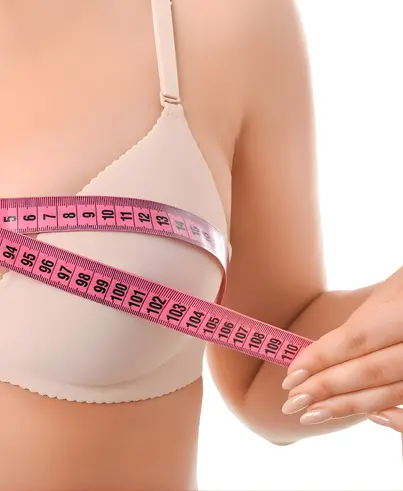
- Breast examination and measurements
- Discussion of risks and complications
- Alternative options explanation
- Clear recovery plan
- Cost transparency
- Time for your questions
At Skafos Aesthetics & Wellness Centre, consultation focuses on education before decision-making.
You should never feel rushed.
You should leave feeling:
- Informed
- Clear
- Supported
- Not pressured
Because surgery is not the first step.
Understanding is.
Implant Safety Science: What You Should Truly Know
When women ask, "Are breast implants safe?" they are not asking casually.
They are asking because this is their body. Their health. Their long-term well-being.
So let's talk about implant safety properly — not vaguely.
1. How Modern Breast Implants Are Regulated
Modern breast implants undergo:
- Biocompatibility testing
- Mechanical durability testing
- Shell integrity testing
- Gel cohesiveness testing
- Rupture resistance evaluation
- Long-term observational studies
Regulatory bodies require manufacturers to meet strict standards before approval.
Implants are designed with:
- Multi-layered silicone shells
- Cohesive internal gel (to prevent leakage spread)
- Strengthened outer membranes
This is very different from early-generation implants decades ago.
2. What Happens If an Implant Ruptures?
This is a common fear.
There are two main scenarios:
Silicone Implant Rupture
Modern silicone gel implants are cohesive.
If rupture occurs, the gel usually remains within the implant capsule.
This is often called a "silent rupture" because symptoms may not be obvious.
Periodic imaging (like ultrasound or MRI when advised) helps monitor implant integrity.
Saline Implant Rupture
If saline ruptures:
- The implant deflates
- The body safely absorbs the sterile salt water
- Visible size change alerts the patient
Neither situation is typically life-threatening.
However, rupture usually requires implant replacement.
3. What Is Capsular Contracture?
After implant placement, the body naturally forms a thin capsule of scar tissue around it.
In some cases, that capsule tightens excessively.
This is called capsular contracture.
Symptoms may include:
- Firmness
- Distortion
- Discomfort
Rates are relatively low but possible.
Risk is minimized by:
- Proper surgical technique
- Sterile handling
- Correct implant placement
- Following post-op instructions
If it occurs, revision surgery may be required.
4. What About Breast Implant Illness (BII)?
Some women report systemic symptoms they associate with implants, including:
- Fatigue
- Joint pain
- Brain fog
Research is ongoing.
Currently:
- There is no definitive diagnostic test for BII
- Evidence is still evolving
- Symptoms are subjective and vary
Ethical consultation includes discussing this transparently.
Women who experience persistent unexplained symptoms may choose implant removal after evaluation.
Informed decision-making includes acknowledging ongoing research.
5. Breast Implant–Associated ALCL (BIA-ALCL)?
This is a rare lymphoma associated primarily with textured implants.
Key facts:
- It is not breast cancer
- It is rare
- Early detection leads to good outcomes
- Risk varies by implant type
Modern practice often favors smooth implants to reduce this risk.
Understanding rare risks is part of responsible medical transparency.
6. How Long Do Implants Really Last?
Implants are long-term devices, but not guaranteed lifetime devices.
They do NOT automatically need replacement every 10 years.
Replacement may be needed if:
- Rupture occurs
- Capsular contracture develops
- Aesthetic goals change
- Pregnancy alters shape significantly
Many women maintain implants for 15–20 years without issues.
Routine monitoring is recommended.
Augmentation vs Breast Lift: What's the Difference?
This is one of the biggest areas of confusion.
Many women think they need implants when they actually need a lift — or vice versa. Let's clarify.
Comparison Table: Breast Augmentation vs Breast Lift
| Factor | Breast Augmentation | Breast Lift (Mastopexy) |
|---|---|---|
| Main Goal | Increase volume | Correct sagging |
| Implant Used | Yes (or fat transfer) | No (unless combined) |
| Size Increase | Yes | Minimal |
| Corrects Deflation | Yes | Partially |
| Corrects Drooping | Limited | Yes |
| Nipple Repositioning | Not primary | Yes |
| Best For | Small or deflated breasts | Sagging breasts |
| Scar Pattern | Smaller incisions | Varies based on sagging |
| Recovery Time | 2–4 weeks initial | 2–4 weeks initial |
When You May Need Both
Sometimes after pregnancy:
- Volume is lost
- Skin is stretched
- Nipple drops
In such cases, augmentation alone may increase size but not lift.
A lift alone may reposition but not restore fullness.
Combination surgery may provide balanced correction.
Consultation determines this.
Additional Comparison: Emotional & Functional Considerations
| Concern | Augmentation | Lift |
|---|---|---|
| "I feel too small" | Yes | No |
| "I feel saggy" | Not fully | Yes |
| "I lost upper fullness" | Yes | Partial |
| "My nipple points downward" | No | Yes |
| "I want a fuller bra size" | Yes | Not primary |
| "I want firmer shape without size change" | No | Yes |
This clarity prevents unnecessary procedures.
Final Thoughts — From Clarity, Not Pressure
Breast cosmetic treatment is not about chasing perfection.
It is not about comparison.
It is not about trends.
It is about proportion.
Comfort.
Alignment.
If you have been thinking about breast cosmetic surgery, that thought alone does not make you superficial. It means you are paying attention to how you feel in your own body.
And that matters.
Modern breast augmentation, lift, and reduction procedures are structured, studied, and regulated medical treatments. They are performed with safety protocols, anatomical planning, and realistic expectation setting.
But they are still surgery.
They require:
- Honest risk understanding
- Proper medical evaluation
- Emotional readiness
- Time for recovery
- Acceptance of scars
- Realistic outcome expectations
The most important step is not choosing implants.
It is choosing understanding.
A proper consultation should help you answer:
- Do I truly need augmentation, lift, or both?
- Am I medically suitable right now?
- What are the possible risks in my specific case?
- What will recovery realistically feel like?
- What results are achievable for my anatomy?
At Skafos Aesthetics & Wellness Centre, consultations focus on education before recommendation — ensuring that decisions are made from clarity, not impulse.
You should never feel rushed.
You should never feel pressured.
You should feel informed.
Because breast cosmetic treatment is not about becoming someone new.
It is about feeling balanced in the body you already live in.
Take your time.
Ask every question.
Understand every detail.
And then decide — from strength, not hesitation.
And that is the kind of confidence that truly matters.
Frequently Asked Questions (FAQs)
Breast cosmetic treatment includes surgical procedures such as breast augmentation, breast lift, and breast reduction designed to improve breast shape, volume, symmetry, or comfort. Suitability depends on anatomy, health status, and individual goals.
Breast cosmetic surgery is generally safe when performed by qualified surgeons in accredited facilities. However, it carries potential risks such as infection, capsular contracture, implant rupture, and scarring. Proper evaluation and follow-up reduce complications.
Breast augmentation increases volume using implants or fat transfer. Breast lift corrects sagging by tightening skin and repositioning the nipple. Some patients require both procedures for optimal results.
Breast implants are long-term devices but not lifetime devices. Many last 15–20 years or longer. Replacement is only required if complications or aesthetic concerns arise.
Initial recovery typically takes 1–2 weeks. Most patients resume normal activity within 4–6 weeks. Final results settle over 3–6 months.


