

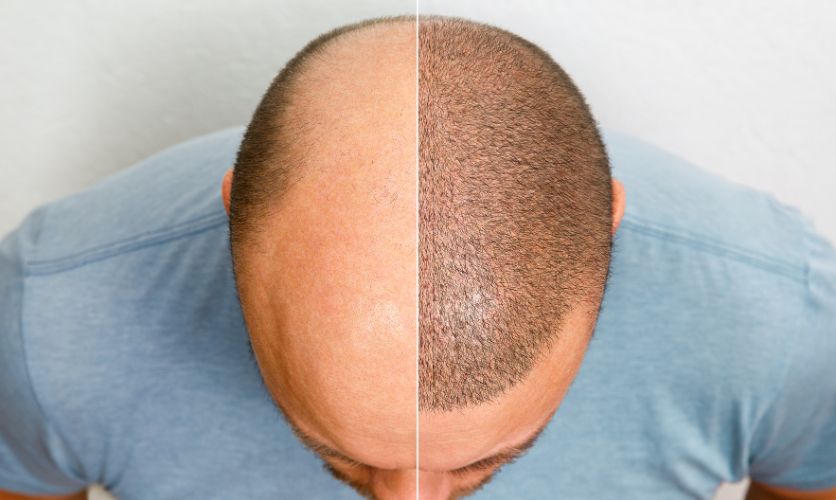
Hair Transplant Aftercare Guide: What to Do, What to Avoid, and What to Expect During Recovery
Completing your hair transplant is an important milestone, but your recovery journey begins once you leave the clinic. It's natural to have questions about what comes next. Can you wash your hair? Is swelling normal? When can you return to work, exercise, or your daily routine? These are some of the most common concerns patients have during recovery.
The good news is that most of these questions have straightforward answers. Following the right aftercare routine helps protect the transplanted grafts, supports healthy healing, and contributes to natural-looking results over time. Whether you've recently undergone a hair transplant in Coimbatore or are preparing for one, understanding the right aftercare practices can make your recovery smoother and more comfortable.
This guide explains what to do, what to avoid, and what to expect during recovery, helping you heal confidently and support healthy, long-lasting hair growth.
Quick Answer
A successful hair transplant recovery depends on proper aftercare. Protecting the transplanted grafts, maintaining good scalp hygiene, eating a balanced diet, staying hydrated, and avoiding activities that may delay healing all contribute to better results. While mild swelling, scabbing, itching, and temporary hair shedding are usually expected, knowing what's normal and taking the right precautions can help you recover safely and achieve healthy, natural-looking hair growth.
What Is Liposuction?
A hair transplant doesn't end when the procedure is completed. The weeks that follow are equally important because the transplanted grafts need time to settle and establish themselves in the scalp. Proper aftercare not only supports healing but also helps create the right environment for healthy, long-term hair growth.
Why Aftercare Matters
- Protects the newly transplanted grafts.
- Supports faster and healthier scalp recovery.
- Helps reduce the risk of avoidable complications.
- Promotes healthy, natural hair growth.
- Contributes to long-lasting hair transplant results.
What Foods Should I Eat to Support Healing?
A nutritious diet supports your body's natural healing process after a hair transplant. Foods rich in protein, vitamins, minerals, and healthy fats help repair tissues and support overall recovery. Staying well hydrated is equally important, especially during the first few weeks.
| Foods to Eat | Benefits | Foods to Avoid | Reason |
|---|---|---|---|
| Eggs, chicken, fish, tofu, legumes | Support tissue repair and healthy hair growth | Alcohol | May affect healing and interact with certain medications |
| Citrus fruits, berries, guava | Rich in antioxidants and Vitamin C | Sugary drinks and sweets | Low nutritional value |
| Spinach, broccoli, leafy vegetables | Provide iron and essential vitamins | Processed foods | Often high in salt, sugar, and unhealthy fats |
| Almonds, walnuts, pumpkin seeds | Rich in healthy fats, zinc, and Vitamin E | Deep-fried foods | Less supportive of recovery |
| Brown rice, oats, whole grains | Provide sustained energy | Excess caffeine | May contribute to dehydration in some people |
| Plenty of water | Supports hydration and healing | Smoking and tobacco | Can affect healthy blood circulation |
Healthy Recovery Tips
- Include protein in every meal.
- Eat plenty of fresh fruits and vegetables.
- Stay hydrated throughout the day.
- Choose balanced, home-cooked meals whenever possible.
- Reduce processed, sugary, and fried foods.
When Can I Wash My Hair After a Hair Transplant?
Washing your hair correctly is an important part of hair transplant aftercare. During the first few days, the transplanted grafts are still settling into the scalp, so gentle care is essential. Washing at the right time and using the correct technique helps keep the scalp clean while supporting the healing process.
Hair Washing Recovery Timeline
Days 0–2: Keep the Scalp Dry
- Avoid washing your hair.
- Do not touch, rub, or scratch the transplanted area.
- Allow the grafts to settle naturally.
Days 3–6: Start Gentle Washing
- Wash your hair using a mild post-transplant shampoo.
- Use lukewarm water and gentle movements.
- Avoid direct, high-pressure shower water.
Days 7–10: Continue Gentle Washing
- Wash your hair daily using the same gentle technique.
- Let scabs soften and fall off naturally.
- Avoid picking or scratching the scalp.
Around Days 11–14: Resume Your Routine
- Most scabs have naturally shed.
- Gradually return to your normal hair-washing routine as the scalp heals.
Hair Washing Tips
- Use lukewarm water.
- Wash gently without rubbing the scalp.
- Pat your hair dry with a soft towel.
- Avoid high-heat hair dryers during the early recovery period.
- Use mild hair care products until the scalp has healed.
Can I Go Outside After a Hair Transplant?
Yes, but your scalp needs extra care while it heals. During the early recovery period, direct sunlight, dust, excessive heat, and accidental bumps may irritate the treated area. Protecting your scalp during this stage supports a more comfortable recovery.
Outdoor Care Tips
- Avoid prolonged exposure to direct sunlight.
- Stay away from dusty or smoky environments whenever possible.
- Avoid activities that may cause accidental impact to the scalp.
- Keep the treated area clean after spending time outdoors.
- Gradually resume outdoor activities as healing progresses.
Can I Exercise or Go to the Gym After a Hair Transplant?
Exercise is beneficial for overall health, but returning too soon may place unnecessary stress on the healing scalp. Heavy workouts and activities that cause excessive sweating should be avoided during the initial recovery period. As your scalp heals, you can gradually return to your normal fitness routine.
Exercise Guidelines
- Start with light walking.
- Avoid heavy lifting and intense workouts initially.
- Delay swimming until the scalp has healed.
- Keep the scalp clean after physical activity.
- Return to your regular workout routine gradually.
Can I Sleep Normally After a Hair Transplant?
Your sleeping position plays an important role during the first few nights after a hair transplant. Sleeping correctly helps reduce swelling, protects the newly transplanted grafts, and minimizes accidental friction against the pillow.
Sleeping Tips
- Sleep with your head elevated at a 30–45° angle for the first few nights.
- Use two pillows or a travel pillow to help keep your head in position.
- Try sleeping on your back instead of your side or stomach.
- Avoid putting pressure on the transplanted area while sleeping.
- Use a clean pillowcase to maintain good scalp hygiene.
Can I Wear a Cap or Helmet After a Hair Transplant?
The transplanted grafts are delicate during the early recovery period. Tight-fitting headwear can create friction or pressure on the healing scalp, so it's important to avoid wearing anything that may disturb the grafts until your scalp has recovered.
Headwear Guidelines
- Avoid tight caps or helmets immediately after the procedure.
- Wear head coverings only if advised during your recovery.
- Keep any permitted headwear clean and comfortable.
- Avoid prolonged pressure on the treated area.
- Resume regular use only after the scalp has healed adequately.
When Can I Get a Haircut or Colour My Hair?
Although you may want to refresh your hairstyle after your procedure, your scalp needs enough time to recover before exposing it to clippers, scissors, or chemical treatments.
Hair Grooming Tips
- Allow the transplanted area to heal before getting a haircut.
- Use scissors carefully around untreated areas if necessary.
- Avoid shaving directly over the transplanted scalp during early recovery.
- Delay hair colouring, bleaching, or chemical treatments until the scalp has completely healed.
- Choose gentle hair care products during the recovery period.
Is Swelling, Redness, or Itching Normal?
Yes. Mild swelling, redness, tenderness, itching, and small scabs are common parts of the healing process after a hair transplant. These symptoms usually improve gradually as the scalp recovers.
Normal Recovery Signs
- Mild swelling around the forehead or scalp.
- Slight redness in the treated areas.
- Itching as the scalp heals.
- Formation of small protective scabs.
- Temporary numbness or mild tightness.
Why Is My Transplanted Hair Falling Out?
Temporary shedding of the transplanted hair, often called shock loss, is a normal stage of recovery. While the visible hair may fall out, the transplanted follicles remain beneath the scalp and gradually begin producing new hair over the following months.
What to Expect
- Temporary hair shedding is expected.
- The hair follicles remain safely in place.
- New hair growth usually begins gradually.
- Hair thickness and density improve over time.
- Patience is important, as results develop progressively.
When Should I Contact My Doctor?
While most people recover without any major problems, it's important to recognize symptoms that may require medical attention. Early assessment helps prevent complications and supports a smoother recovery.
Seek Medical Advice If You Notice
- Increasing pain that does not improve.
- Persistent or excessive bleeding.
- Pus, unusual discharge, or a foul smell.
- Fever or signs of infection.
- Rapidly worsening swelling or redness.
Common Hair Transplant Aftercare Mistakes to Avoid
Many recovery issues can be avoided by following simple aftercare precautions. Avoiding these common mistakes helps protect your transplanted grafts and supports the best possible outcome.
Mistakes to Avoid
- Touching, scratching, or picking the transplanted area.
- Returning to strenuous exercise too soon.
- Smoking or drinking alcohol during the early recovery period.
- Exposing your scalp to excessive sunlight or heat.
- Using harsh shampoos or chemical hair products before the scalp has healed.
- Ignoring unusual symptoms that continue to worsen.
Hair Transplant Recovery Timeline: What Results Can You Expect?
Hair transplant results develop gradually. While the healing process begins immediately after the procedure, visible hair growth takes time. Understanding each stage helps you set realistic expectations.
| Recovery Stage | What You Can Expect |
|---|---|
| First Week | Mild swelling, redness, scabbing, and early healing of the scalp. |
| 2–4 Weeks | Temporary shedding of transplanted hairs (shock loss) may occur. |
| 3–4 Months | New hair begins to grow from the transplanted follicles. |
| 6–9 Months | Hair becomes noticeably thicker, fuller, and denser. |
| 9–12 Months | Most patients see significant improvement in overall hair growth. |
| 12–18 Months | Final results continue to mature, with improved density and a natural appearance. |
How Can You Support Healthy Hair Growth After Recovery?
Although the transplanted follicles continue their natural growth cycle, maintaining a healthy lifestyle helps support stronger, healthier hair over time.
Long-Term Hair Care Tips
- Eat a balanced diet rich in protein, vitamins, and minerals.
- Keep your scalp clean and maintain a regular hair care routine.
- Protect your scalp from excessive sun exposure.
- Manage stress through healthy lifestyle habits.
- Attend your scheduled follow-up appointments to monitor progress.
Frequently Asked Questions About Hair Transplant Aftercare
Most people can return to their daily routine within a few days, while complete healing and visible hair growth continue over the following months.
Yes. Temporary shedding, also known as shock loss, is a normal part of the recovery process before new hair begins to grow.
New hair growth commonly begins around three to four months after the procedure, with noticeable improvements over the following months.
Many people return to desk-based work within a few days, depending on their comfort level and the nature of their job.
When performed by an experienced hair transplant specialist and supported by proper aftercare, the transplanted hair is designed to blend naturally with your existing hair.
Your Next Step Towards Healthy Hair Growth
A successful hair transplant is not only about the procedure itself but also about how well you care for your scalp during recovery. Following the right aftercare practices, understanding the normal stages of healing, and maintaining realistic expectations all contribute to healthier hair growth and long-lasting results. While every individual's recovery timeline is unique, consistent aftercare gives your transplanted follicles the best opportunity to grow naturally and achieve the outcome you're hoping for.
Ready to Begin Your Hair Restoration Journey?
If you're considering a hair transplant in Coimbatore or have questions about recovery, choosing an experienced team is just as important as the procedure itself. At Skafos Aesthetic & Wellness Centre, we provide personalized treatment plans, detailed aftercare guidance, and continuous follow-up to support you at every stage of your hair restoration journey. Book your consultation today and take the first step toward natural-looking, long-lasting hair restoration.


