

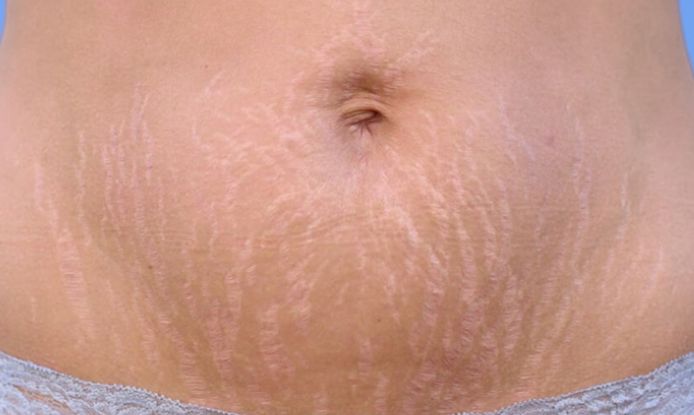
Loose Belly Skin After C-Section: Can It Actually Be Fixed?
By Dr. A. Alice Priscilla, MCh, Experienced Plastic Surgeon & Hair Transplant Specialist at Skafos Aesthetic and Cosmetic Surgery Center
You carried a baby for months.
Your body stretched, adapted, and changed in ways that only motherhood can truly explain. Then came your C-section—a major surgery that safely brought your baby into the world.
You recovered. You handled sleepless nights. You adjusted to a completely different routine. You learned how to care for your baby while your own body was still healing.
And somewhere in between all of that, you may have started noticing changes in your own body that quietly stayed in your mind.
Maybe it happened while getting dressed.
Maybe while standing in front of the mirror.
Maybe while wearing clothes that once fit differently.
That loose skin.
That fold sitting above your scar.
That lower belly pouch that still feels different—even months or years later.
And maybe you have asked yourself:
"Why does my stomach still look like this?"
"Why does this area never seem to change?"
"Am I doing something wrong?"
If you have had these thoughts, you are not alone.
At Skafos Aesthetic and Cosmetic Surgery Center, this is one of the most common concerns women bring after childbirth. And one of the first things we tell them is this—what you are seeing is real, it is common, and in many cases, it can be treated.
Why Does a C-Section Leave Loose Skin?
Many women believe the lower belly pouch after childbirth is simply caused by weight gain. But in reality, the changes often go much deeper than that.
During pregnancy, your abdominal skin stretches significantly to support your growing baby. Your muscles also expand and move apart to create space. Then, during a C-section, multiple layers of tissue—including skin, fat, and supportive structures—are surgically opened and later repaired.
Although your body heals naturally, healing does not always mean every layer returns to its original position or tightness.
This is why many women continue noticing visible changes in the lower abdomen even long after childbirth.
Some of the common changes include:
- Loose or stretched skin in the lower tummy
- A fold sitting above the scar line
- A visible “C-section shelf” appearance
- Softness or heaviness in the lower abdomen
- Changes in the way clothes fit around the waist
Many women also notice this area more clearly while sitting, bending, or wearing fitted clothing.
In most cases, this is not simply about body fat. It is often a structural change caused by pregnancy, skin stretching, muscle separation, and surgical healing.
Can Diet and Exercise Fix It?
This is usually the first question mothers ask—and honestly, it makes complete sense.
After childbirth, many women put in real effort to feel stronger again. They start walking, eating healthier, joining workouts, or doing core exercises at home.
And often, they do see progress.
Their energy improves.
Their strength improves.
Their overall fitness improves.
But the lower belly still looks the same.
That can feel frustrating.
A healthy lifestyle can absolutely help:
- Improve overall body strength
- Support fat loss
- Improve muscle tone
- Increase energy levels
- Support long-term recovery
But when the issue involves stretched skin, scar-related tissue changes, or abdominal muscle separation, exercise alone usually cannot fully correct it.
This is why many women feel confused—because they are doing everything right, but this specific area may still remain unchanged.
The truth is, sometimes the issue is not effort.
Sometimes it is anatomy.
What Is the Solution?
After understanding why exercise alone may not fully correct loose skin after a C-section, the next question most women ask is simple:
"So what actually works?"
The most effective treatment for loose abdominal skin, muscle separation, and the lower belly pouch is a procedure called Abdominoplasty, commonly known as a Tummy Tuck.
This procedure is designed to correct the structural changes that pregnancy and C-section delivery can leave behind.
Instead of only focusing on fat, it works on the deeper layers of the abdomen—including skin, muscles, and overall contour.
During the procedure, the surgeon may:
- Remove stretched and loose excess skin
- Tighten weakened abdominal muscles
- Improve the lower abdominal contour
- Reduce the fold above the C-section scar
- Improve the appearance of the previous scar
- Create a flatter and firmer abdominal profile
For many mothers, the biggest change is not just what they see in the mirror.
It is how they feel in their clothes.
How do they stand?
How they carry themselves.
And how they begin feeling more confident again.
At Skafos Aesthetic and Cosmetic Surgery Center, every treatment plan is customized because no two post-pregnancy bodies heal in exactly the same way.
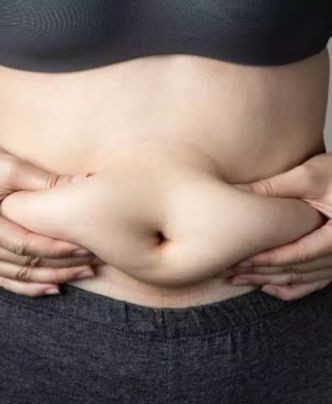
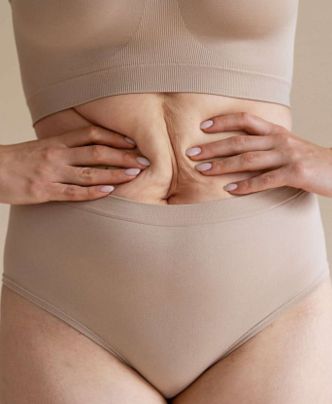
Why Does the Lower Belly Still Look Different After Weight Loss?
One of the biggest frustrations many mothers experience is seeing progress everywhere else—but still noticing the same lower belly shape.
Even after losing pregnancy weight, walking regularly, or staying active, this area may continue to look fuller, softer, or uneven.
This happens because the lower abdomen is often affected by more than fat alone.
Stretched skin, abdominal muscle separation, and scar-related tissue changes can all influence the final shape of the tummy.
Many women commonly notice:
- The lower belly still projects forward
- Loose skin becomes more visible while sitting
- Clothes fit differently around the waist
- A fold appears above the scar line
- The tummy feels softer or heavier than before
This is often the moment many women realize that the issue may need more than exercise alone.
Who Is Usually a Good Candidate for Treatment?
Every woman’s body heals differently after childbirth, which is why not everyone needs the same treatment approach.
However, some women continue noticing physical changes long after their recovery is complete.
Treatment is often considered by women who:
- Are at least 12 months after childbirth
- Have loose skin that has not improved with time
- Notice abdominal weakness or muscle separation
- Are close to a stable body weight
- Have completed breastfeeding
- Are not planning another pregnancy soon
A proper consultation helps determine what approach is most suitable for your body and your goals.
What Does Recovery Actually Feel Like?
One of the biggest concerns mothers usually have is not the procedure itself—it is the recovery afterward.
That is completely understandable.
Most women are not only thinking about themselves. They are thinking about their children, their home, their responsibilities, and how daily life will be managed during healing.
"When can I lift my child again?"
"How long before I feel normal?"
"When can I drive?"
"When can I go back to work?"
These are important and practical questions.
Recovery is not only about physical healing. It is also about preparing mentally, emotionally, and practically for the weeks ahead.
First Week
The first week is usually focused on rest, healing, and gentle movement.
It is normal to experience:
- Tightness in the abdominal area
- Mild swelling
- Temporary soreness
- Slower movement while standing or walking
- A need for extra support at home
Many women describe the early recovery as feeling somewhat similar to their C-section recovery—especially during the first few days.
Rest, hydration, and following post-operative instructions play an important role during this stage.
Week Two to Three
By this stage, many women start feeling more comfortable moving around.
Walking becomes easier. Daily movement feels more natural. Confidence usually begins to improve as discomfort gradually reduces.
During this stage, many patients notice:
- Improved mobility
- Better comfort while standing and sitting
- Reduced tightness
- Better sleep comfort
- Increased confidence in daily movement
This is often the stage where many mothers start feeling that recovery is moving in the right direction.
Week Four to Six
At this stage, many women begin returning to lighter daily routines.
This may include:
- Light walking
- Short drives
- Desk-based work
- Gentle home activities
- Basic personal routines
Although you may feel stronger externally, your body is still healing internally.
This is why following your surgeon’s guidance remains important throughout recovery.
Three to Six Months
This is when the body continues settling, swelling continues improving, and your abdominal contour becomes more visible.
Many women begin noticing:
- A flatter lower tummy
- Better abdominal support
- Improved clothing fit
- Better posture
- Increased confidence in daily life
For many mothers, this is when the emotional transformation becomes just as meaningful as the physical one.
When Is the Right Time for Treatment?
Timing plays a major role in both safety and long-term results.
Many women start considering treatment within months after childbirth—but in most cases, giving your body enough time to heal naturally is important before making any decision.
Your body goes through hormonal changes, tissue healing, and physical recovery for many months after delivery.
Because of this, surgeons usually recommend waiting until:
- At least 12 months after your C-section
- Your body weight has stabilized
- Breastfeeding has been completed
- Hormonal changes have settled
- Your family planning is complete
Choosing the right time can help improve healing, comfort, and long-term outcomes.
Will There Be a Scar?
This is one of the most common concerns women ask during consultation—and it is an important one.
The honest answer is yes.
A tummy tuck does leave a scar.
But in most cases, the incision is carefully placed low on the abdomen so it stays hidden under everyday clothing.
This usually includes:
- Sarees
- Innerwear
- Leggings
- Swimwear
- Fitted clothing
Over time, scars usually soften and become less noticeable as healing continues.
Many women tell us that while the scar is part of the journey, the confidence they gain afterward often makes it feel worth it.
What Do Most Mothers Say After Recovery?
One of the most common things women say after healing is complete is:
"I finally feel like myself again."
Not because they wanted perfection.
Not because they wanted to look like someone else.
But because after everything their body went through, they finally feel more comfortable in their own skin again.
Many women also talk about small moments that suddenly feel different again.
Wearing clothes they once avoided.
Standing straighter.
Feeling confident in photos.
Feeling less conscious about the lower belly area.
And sometimes, simply looking in the mirror and feeling more connected to themselves again.
That emotional confidence often becomes just as meaningful as the physical result.
Talk to Us — No Pressure, Just Honest Guidance
If loose belly skin after your C-section has been affecting your confidence, comfort, or how you feel in your clothes, you do not have to keep wondering.
At Skafos Aesthetic and Cosmetic Surgery Center, every consultation is private, honest, and focused on understanding your body, your recovery, and your goals.
You can expect:
- Personalized evaluation
- Honest medical guidance
- Clear treatment options
- Temporary contouring
- Patient-focused care
- No rushed decisions
- Support at every stage
Because this is not about chasing perfection.
It is about understanding your options—and feeling comfortable in your own body again.
Frequently Asked Questions (FAQs)
In some women, the abdominal area may improve gradually during the first few months after childbirth as the body continues healing. However, when loose skin, muscle separation, or scar-related tissue changes are present, the lower belly may not fully return to its previous shape with time alone. A professional evaluation can help identify what is causing the change.
In most cases, surgeons recommend waiting at least 12 months after a C-section before considering tummy tuck surgery. This allows your body enough time for hormonal recovery, tissue healing, and weight stabilization before treatment planning.
Exercise can help improve strength, fitness, posture, and overall body composition. However, if the pouch is caused by stretched skin, abdominal muscle separation, or scar-related tissue changes, exercise alone may not fully correct the area.
In many cases, yes. During tummy tuck surgery, the old C-section scar can often be incorporated into the surgical plan and replaced with a lower, cleaner scar placement, depending on your anatomy and treatment approach.
it can be caused by several factors—not just fat. Many women experience a combination of stretched skin, weakened abdominal muscles, scar tissue changes, and loss of skin elasticity after pregnancy and C-section delivery.


