

The Science Behind Brighter Skin - Pigmentation & Dark Circle Treatment Guide in Coimbatore (2026)
Your Skin Is Not the Problem. The Approach Is
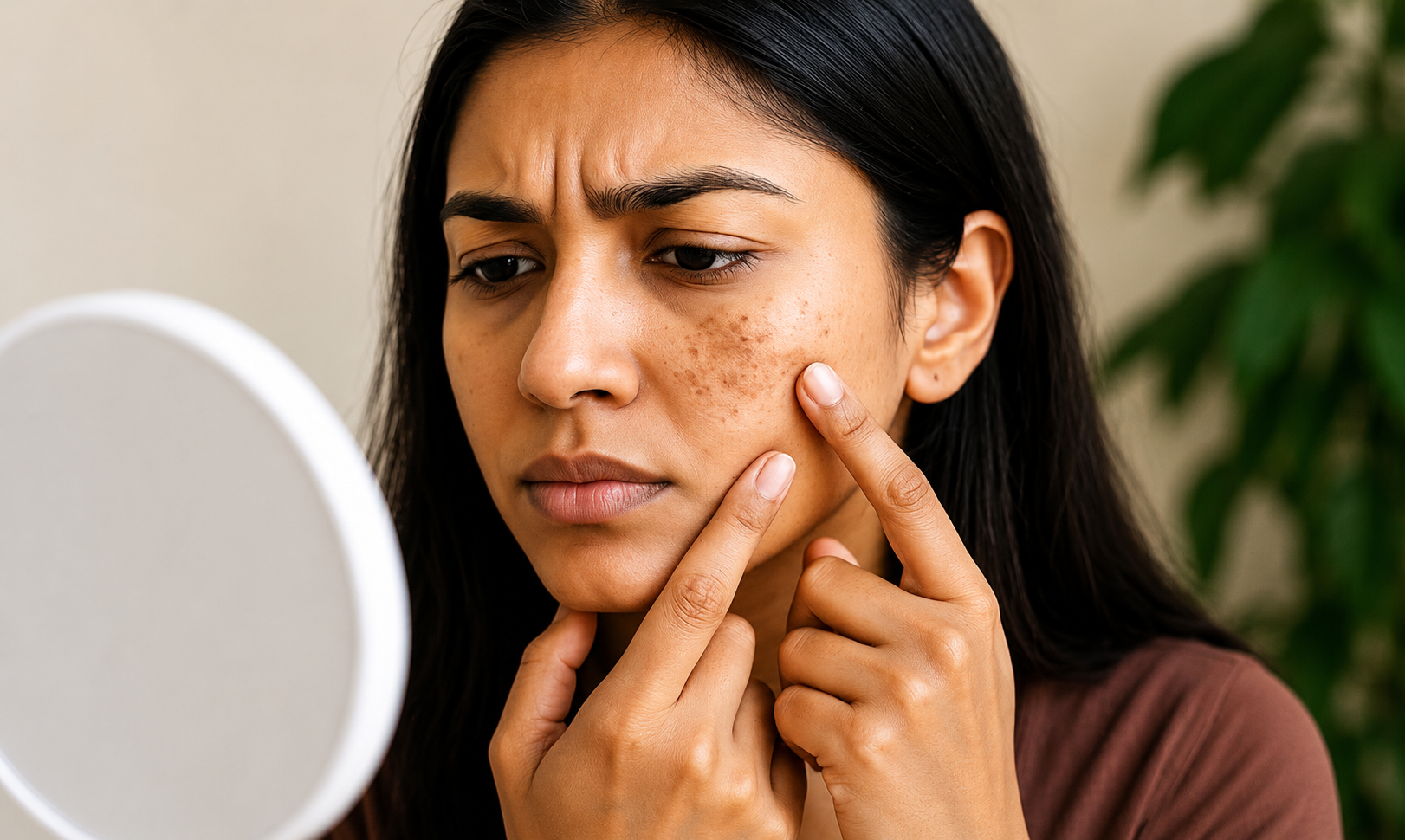
From home remedies to trending skincare products, many people try countless solutions for pigmentation and dark circles without seeing lasting results. The reason is simple: these concerns are often caused by deeper factors such as excess melanin production, genetics, hormonal changes, sun exposure, and under-eye structural changes.
In Coimbatore, constant UV exposure and environmental factors can make pigmentation and dark circles even more common. Understanding the real cause is the first step toward choosing the right treatment.
This guide explains why these concerns develop, the different types, and the treatment options that can help achieve clearer, brighter-looking skin.
Common factors that contribute to pigmentation and dark circles include:
- Excess sun exposure and UV damage
- Hormonal changes and melasma
- Post-acne pigmentation and skin inflammation
- Genetic predisposition
- Pollution and environmental stress
Why Pigmentation and Dark Circles So Common in Coimbatore?
Coimbatore's climate and environmental conditions can have a significant impact on skin health. Continuous sun exposure, heat, and lifestyle factors often contribute to pigmentation and under-eye dark circles becoming more noticeable over time.
Common contributing factors include:
- High UV exposure throughout the year
- Frequent sun exposure during daily activities
- Pollution and environmental stress
- Hormonal changes and melasma
- Genetic factors common in Indian skin types
Understanding these local triggers can help individuals take preventive steps and seek the most suitable treatment when needed.
Understanding Pigmentation: What Is Happening in Your Skin?
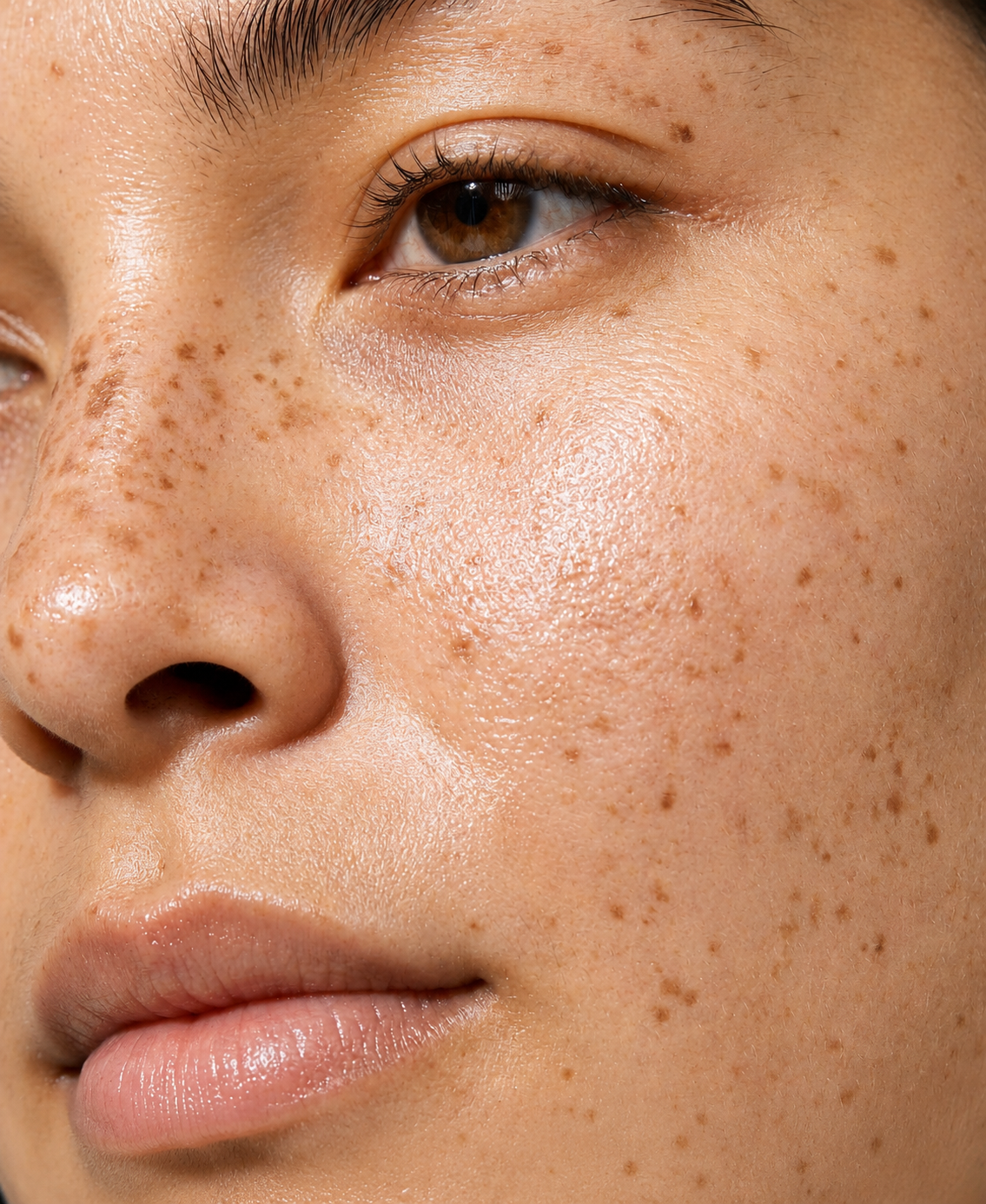
Pigmentation occurs when the skin produces excess melanin, the natural pigment responsible for skin colour. When melanin builds up unevenly, it can lead to dark patches, spots, or an uneven skin tone.
Several factors can trigger excess melanin production, and identifying the cause is important for choosing the right treatment.
Common Causes of Pigmentation
- Sun Exposure and UV Damage –One of the most common causes of pigmentation in Coimbatore, leading to tanning, sun spots, and uneven skin tone.
- Hormonal Changes (Melasma) –Often appears as brown or grey-brown patches on the cheeks, forehead, and upper lip, especially among women.
- Post-Inflammatory Hyperpigmentation (PIH) –Dark marks that develop after acne, skin irritation, rashes, or inflammation.
- Genetic Factors –Some people naturally inherit darker pigmentation around areas such as the under-eyes.
- Friction and Skin Irritation –Repeated rubbing, tight clothing, or certain cosmetic products can contribute to pigmentation in specific areas.
The Truth About Under-Eye Dark Circles: It's Not Just About Sleep
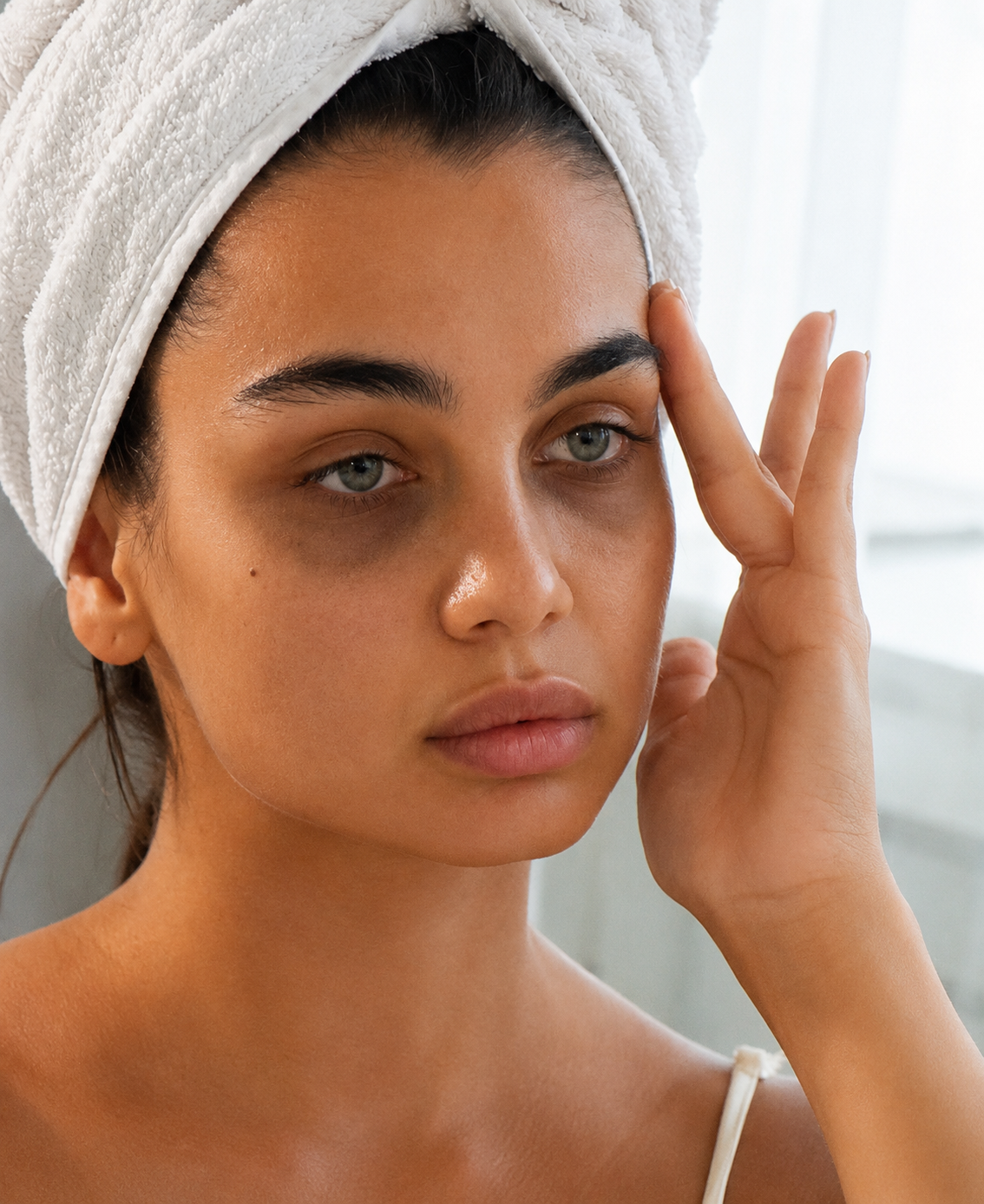
Many people assume dark circles are caused only by lack of sleep. However, dark circles can develop for several different reasons, which is why eye creams and home remedies do not always work.
Type 1 – Pigmentary Dark Circles
These appear brown or dark due to excess melanin beneath the eyes. They are common in South Indian skin and may be linked to genetics, sun exposure, or frequent eye rubbing.
Type 2 – Vascular Dark Circles
These appear bluish or purple because blood vessels become more visible through the thin under-eye skin. Fatigue, allergies, and prolonged screen time can make them more noticeable.
Type 3 – Hollow Dark Circles
As collagen and volume decrease with age, a hollow forms beneath the eyes, creating shadows that resemble dark circles. This type is caused by volume loss rather than pigmentation.
Type 4 – Mixed Dark Circles
Many people have a combination of pigmentation, visible blood vessels, and volume loss. Identifying the dominant cause helps determine the most effective treatment approach.
- Not all dark circles are caused by poor sleep
- Different types require different treatments
- Proper diagnosis is essential for better results
- Genetics and ageing can play a major role
- Personalised treatment plans often deliver the best outcomes
Home Remedies vs Clinical Treatment: What Actually Works?
Many people start with home remedies, and that makes complete sense. They are accessible, affordable, and widely recommended. But there is a clear scientific reason why they rarely fix pigmentation or dark circles fully.
The core difference: Home remedies work at the surface. Clinical treatments reach the deeper layers where stubborn pigmentation actually lives.
| Home Remedies | Clinical Treatments | |
|---|---|---|
| How it works | Surface exfoliation and mild antioxidant brightening | Targets melanin at the source and breaks it down or inhibits production |
| Depth of action | Top skin layer only | Reaches deeper dermis where stubborn pigmentation lives |
| Best for | Very mild surface tan and early dullness | Melasma, post-acne marks, sun spots, and all dark circle types |
| Results timeline | Weeks to months for subtle change | Visible improvement within 3 to 4 sessions |
| Works on melasma? | Rarely, melasma lives in the deeper dermis, and home remedies cannot reach it | Yes, through laser toning and prescribed protocols |
| Works on hollow dark circles? | No, as it cannot restore structural volume | Yes, through hyaluronic acid fillers that correct this precisely |
| Risk to Indian skin? | Yes, as lemon juice and harsh scrubs can worsen PIH | Minimal when performed by a qualified specialist |
| Long-term results? | Difficult to maintain without constant use | Sustained with maintenance sessions and daily SPF |
- Home remedies support skin health, but cannot correct established pigmentation
- Melasma, deep sun spots, and hollow dark circles are beyond topical reach
- Been consistent for 3 or more months with no improvement? Clinical treatment is your next step
- Modern clinical treatments are gentle, zero-downtime, and safe for Indian skin
- The right treatment costs less long-term than years of ineffective products
Am I the Right Candidate for This Treatment?
This is the question most people search for before they ever book, and almost no clinic answers it directly. Here is a clear, honest answer.
You are a good candidate if:
- Dark spots, melasma, or post-acne marks have not improved after 3 months of consistent skincare
- Under-eye dark circles are not responding to eye creams or lifestyle changes
- You are in generally good health with no active skin infections in the treatment area
- You are not currently pregnant or breastfeeding
- You are willing to use SPF 50 daily, as sunscreen is non-negotiable for lasting results in Coimbatore
- You are 18 years or older, and younger patients are assessed on a case-by-case basis
Approach with extra care if:
- You have a history of keloid scarring, as treatment selection needs extra care
- You are on medications that increase photosensitivity, so inform your specialist before booking
- You have active skin infections or severe inflammatory acne in the treatment area
- You have a very recent fresh tan, as a short waiting period is usually recommended first
What about dark South Indian skin tones?
- Q-switched Nd: YAG laser is clinically validated for Fitzpatrick skin types IV and V
- The majority of Coimbatore patients fall in this range, and treatment is safe when done correctly
- A qualified specialist calibrates every parameter specifically for your skin tone
- Always ask which laser the clinic uses and whether it is FDA-approved for Indian skin
Complete Treatment Options for Pigmentation and Dark Circles
Every skin concern has a different root cause. Here is what each treatment does, who it works best for, and what to realistically expect.
Q-Switched Laser Toning
The gold standard for pigmentation treatment in Indian skin. Ultra-short laser pulses break down melanin deposits deep inside the skin without touching the surrounding tissue. Clinically validated and safe for South Indian skin tones.
- Best for: Melasma, sun spots, post-acne pigmentation, periorbital dark circles
- Sessions: 4 to 8 sessions spaced 2 to 4 weeks apart
- Downtime: Nil to minimal, back to your routine the same day
- What to expect: Mild warmth during the session. Treated spots may look slightly darker for 2 to 3 days before they shed. Skin progressively brightens after each session.
Chemical Peels
Medical-grade acid solutions remove the damaged outer skin layer and trigger fresh, brighter skin underneath. Different acid types target different depths and concerns, making peels one of the most versatile treatments for pigmentation.
- Best for: Sun tan, surface dark spots, post-acne marks, under-eye brightening
- Sessions: 3 to 6 sessions spaced 2 to 4 weeks apart
- Downtime: Light peeling for 1 to 3 days, nothing that stops daily activity
- What to expect: Progressively brighter, smoother, and more even skin tone with each session
Tear Trough Fillers
The most immediately effective solution for hollow or structural dark circles. A precise amount of hyaluronic acid is placed along the tear trough groove to restore lost volume, lift the under-eye area, and eliminate the shadow causing the dark appearance.
- Best for: Hollow dark circles, structural shadows, volume-related under-eye darkness
- Sessions: Single procedure with a top-up at 12 to 18 months
- Downtime: Mild swelling for 24 to 48 hours that settles quickly
- What to expect: Visible improvement the same day. Final result appears within a few days as swelling settles.
PRP Therapy
Your own blood's growth factors are extracted, concentrated, and re-injected into the under-eye area. This stimulates collagen production, thickens skin, and improves circulation naturally. No foreign substances involved.
- Best for: Vascular dark circles, thin under-eye skin, crepey texture
- Sessions: 3 to 4 sessions spaced 4 weeks apart
- Downtime: Nil
- What to expect: Progressive improvement in skin quality, thickness, and under-eye brightness over the course
Skin Boosters
Microinjections of hyaluronic acid are placed just below the skin surface to deeply hydrate, plump, and thicken the under-eye skin. As skin becomes thicker, blood vessels become less visible, and the area looks naturally brighter.
- Best for: Thin translucent under-eye skin, vascular dark circles, dehydrated, dull skin
- Sessions: 2 to 3 sessions
- Downtime: Minimal, tiny injection points fade within hours
- What to expect: Visibly more hydrated, plumper, and brighter under-eye area
Topical Depigmenting Protocol
Prescription-grade home-care products that work alongside in-clinic treatments to slow melanin production and sustain results between sessions.
- Key ingredients: Tranexamic acid, kojic acid, niacinamide, azelaic acid, stabilised Vitamin C
- How it helps: Each ingredient targets a different step in the melanin production pathway
- Important: Topical products alone cannot fix established pigmentation; they work powerfully as part of a complete supervised protocol
- Always use prescribed products under clinical guidance, as the wrong combination can worsen pigmentation
What to Expect and When?
Treatment results vary depending on the type and severity of pigmentation or dark circles, but most patients notice gradual improvement over time.
- After 1–2 Sessions:Initial brightening may be visible, and some treatments can show early improvement.
- After 3–4 Sessions:Dark spots, pigmentation, and under-eye darkness often begin to look noticeably reduced.
- After completing the recommended sessions, significant improvement in skin tone, pigmentation, and dark circles can usually be achieved with proper treatment and care.
- Long-Term Results:Consistent sun protection, skincare, and maintenance treatments help preserve results and reduce the risk of recurrence.
How to Choose the Right Skin Clinic for Pigmentation Treatment in Coimbatore
With more clinics offering pigmentation and dark circle treatments across Coimbatore every year, the options can feel overwhelming. The difference between a treatment that works and one that disappoints almost always comes down to the clinic you choose the technology they use, the expertise behind it, and how honestly they guide you from the first consultation. Before you book anywhere, here is what genuinely matters:
- Diagnosis first, no assessment, no treatment
- FDA-approved laser devices, always ask before agreeing
- Operator trained for South Indian skin tones
- Pricing confirmed after assessment, not before
- Follow-up and home-care plan included as standard
- Honest advice, not just what you want to hear
At Skafos Aesthetic and Cosmetic Surgery Center in Coimbatore, every consultation starts with a full skin analysis before any treatment is recommended because the right diagnosis is what delivers the right result.
Why Identifying the Cause Matters More Than Following Trends
The Pigmentation and dark circles are not problems you can cream your way out of. They are biological processes driven by melanin overproduction, structural volume changes, vascular visibility, and hormonal triggers that respond to targeted clinical treatment when that treatment is matched to the correct type and cause.
Living in Coimbatore means your skin faces year-round UV pressure, heat, pollution, and humidity, a combination that keeps melanocytes constantly stimulated. That is not bad luck. It is biology. And biology responds to science.
Whether you are dealing with stubborn melasma patches, sun-induced dark spots, under-eye shadows you have had since your twenties, or post-acne marks that refuse to fade, there is a clinically proven, safe, and effective treatment pathway for each one. The starting point is always the same: the right diagnosis.
Clear skin is not a privilege. It is the outcome of the right science, applied correctly, consistently, and with the right clinical expertise behind it.
Before Your First Appointment: How to Prepare
A little preparation makes your treatment more effective and your results more predictable. Here is exactly what to do before your first session:
- Stop active skincare 5 to 7 days before -pause retinoids, AHAs, BHAs, and strong Vitamin C serums. Your regular moisturiser and SPF are fine to continue
- Start SPF 50 daily right now -even before your first session. It prevents new pigmentation from forming while you are mid-treatment course
- Avoid waxing or threading -on the face at least 3 days before a peel session as both sensitise the skin
- Note your pigmentation history -when it started, whether it worsened during pregnancy or hormonal changes, and whether it has spread. These details help your specialist diagnose faster and more accurately
- Arrive with a clean face on treatment day - no makeup, no heavy moisturiser, no SPF. Clean skin gives the most accurate assessment and best treatment results
- Avoid direct sun 48 hours before laser -fresh sun exposure increases skin sensitivity and affects results
- Write down your questions -a good specialist answers every one. Leave the consultation with full clarity on your plan, timeline, cost, and aftercare
Book Your Skin Assessment at Skafos
The right treatment starts with the right diagnosis. Book your skin assessment at Skafos Aesthetic and Cosmetic Surgery Center, Coimbatore, and find out what will work best for your skin.
Frequently Asked Questions (FAQs)
Sun exposure, hormonal changes, and inadequate skin protection are common reasons pigmentation can return after treatment.
It depends on the type of pigmentation. Surface pigmentation may respond well to peels, while deeper pigmentation often benefits from laser treatment.
Yes. Genetics can contribute to darker under-eye skin, making dark circles more noticeable in some individuals.
Yes. Daily sunscreen use helps protect the skin from UV damage and reduces the risk of new pigmentation.
Dark circles can appear at any age, but they often become more noticeable in the late 20s and 30s due to genetics, lifestyle factors, and volume loss.


